
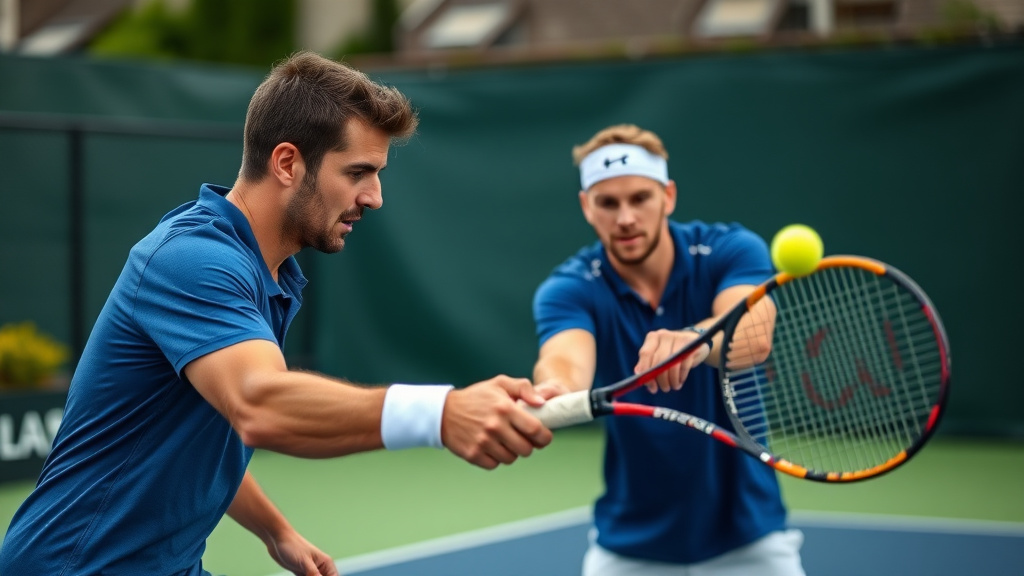
What distinguishes Wimbledon champions from the rest of the tennis world? Beyond natural ability and competitive drive lies a closely held arsenal of training secrets that elevate their game to remarkable heights. In this in-depth examination, we expose the intensive training regimens, advanced training methods, and mental preparation strategies employed by tennis’s elite. Discover how champions fine-tune their serves, achieve rapid court mobility, and maintain peak performance in high-pressure situations—insights that reveal why these athletes consistently dominate the grass courts of SW19.
Sophisticated Physical Training Methods
Wimbledon champions employ advanced training techniques that go far beyond conventional tennis preparation. These professional players utilize systematic training blocks that carefully balance between high-intensity intervals and rest periods. By adjusting training parameters such as workload, exertion level, and timeframe, players enhance their aerobic fitness and muscle stamina. Sport scientists working with top players have developed individualized conditioning plans that target the particular challenges of grass surface competition, ensuring athletes maintain rapid force production throughout extended five-set matches while minimizing injury risk.
Power development forms a cornerstone of modern Wimbledon preparation, with champions focusing on functional movements that improve court performance. Rather than traditional weightlifting, these players prioritize multi-joint movements that build stability, explosive rotation, and side-to-side mobility. Medicine ball throws, explosive drills, and resistance band work develop the movement system essential for powerful serves and quick court adjustments. Coaches strategically design these workouts to enhance on-court practice, ensuring players build the strength endurance required to execute demanding shots consistently during tournament play.
Recovery protocols distinguish champions from competitors, as top-tier athletes understand that adaptation occurs throughout recovery windows. Wimbledon-bound athletes implement advanced recovery techniques such as cryotherapy, contrast water therapy, and advanced massage techniques. Optimizing sleep proves essential, with top performers maintaining strict sleep schedules and utilizing sleep monitoring devices to track rest quality. These detailed recovery methods speed up muscle repair, reduce inflammation, and improve cognitive function—essential elements when competing in consecutive matches across fortnight-long tournaments.
Range of motion training receives significant focus in current professional training. Champions commit significant training time to dynamic stretching, yoga, and specialized mobility drills that maintain optimal range of motion. This preventive strategy prevents common tennis injuries while boosting movement efficiency across the court. By maintaining superior flexibility, players execute skilled shots with greater precision and limit faulty movement habits that produce injury vulnerability. Structured flexibility training ensure athletes stay durable throughout demanding competition calendars.
Sport-tailored training drills simulate match demands with impressive precision, conditioning top performers for competitive demands. Coaches create court-based drills that replicate point structures, directional movements, and physical demands encountered in competitive play. Such training incorporate interval-based methodology, alternating high-intensity bursts with short rest intervals that mirror genuine match tempo. By conditioning metabolic pathways in competition-simulated environments, players develop superior work capacity and competitive fortitude essential for managing intense competitive moments.
Metabolic testing and biometric monitoring have transformed how elite athletes optimize their physical preparation. Elite players undergo regular lactate threshold testing, VO2 max assessments, and body composition analysis to track fitness advancement. Real-time monitoring devices provide coaches with immediate insights on athlete effort intensity during practice sessions, enabling precise prescription of workout intensity levels. This data-driven approach removes guesswork, allowing personalized conditioning programs that optimize athletic improvements while preventing overtraining and burnout during important competitive preparation periods.
Mental Resilience and Cognitive Techniques
Mental fortitude separates Wimbledon champions from their opponents. Elite players build psychological strategies that enable them to preserve composure during key moments, converting pressure into winning opportunities. Through deliberate mental preparation, champions foster unwavering conviction, emotional regulation, and the skill to rebound from setbacks instantaneously. These psychological methods prove as important as physical conditioning, allowing players to execute flawlessly when stakes are highest and opponents are most formidable.
Visualization and Concentration Practice
Wimbledon champions utilize advanced visualization techniques to mentally rehearse matches before entering the court. This practice involves vividly envisioning successful shot execution, anticipated opponent responses, and different match situations. By regularly visualizing optimal performance, athletes reinforce neural connections that facilitate optimal execution during real match play. Champions spend significant time in visualization sessions, regarding visualization with the same intensity and dedication they invest in strength and conditioning, ultimately enhancing competitive readiness and match confidence.
Focus training serves as another foundation of psychological training for top-tier tennis competitors. Champions develop laser-sharp concentration abilities, filtering out distractions and keeping their focus on each point. Through mindfulness training and specialized concentration exercises, players condition their mental processes to stay mentally engaged throughout full match duration. This heightened mental clarity helps athletes to execute quick decisions, modify tactics successfully, and maintain emotional equilibrium during intense competitive moments on grass courts.
- Breathing techniques manage stress response throughout intense rallies
- Affirmative self-messaging builds mental resilience and self-assurance
- Routine development develops consistency and psychological anchors
- Pressure simulation training develops mental toughness under pressure
- Mindfulness training enhances focus and situational awareness
Professional sports psychologists work directly with Wimbledon champions, designing personalized mental strategies aligned with personal competitive approaches and psychological profiles. These specialists perform ongoing assessments examining performance metrics, recognizing psychological trends, and implementing targeted interventions. Champions maintain detailed mental performance journals monitoring emotional responses, focus levels, and mental factors during tournaments. This data-driven approach to performance psychology ensures continuous improvement and maximum psychological fitness for competitive achievement.
Specialized Court Abilities and Strategic Expertise
Grass Court & Surface Mastery
Wimbledon’s grass courts require focused conditioning that extends far beyond conventional hard court training. Champions commit significant hours to grass court drills, training on real grass to comprehend the ball’s different behavior. The decreased friction and increased pace require adjusted footwork, modified serve techniques, and perfected approach strokes. Elite players analyze grass court physics thoroughly, examining bounce characteristics and trajectory changes. This dedicated surface preparation commences well ahead of the tournament, guaranteeing their muscle memory and tactical understanding match precisely with Wimbledon’s unique playing conditions and rigorous demands.
Strategic positioning becomes paramount on grass, where court positioning errors lead to immediate punishment. Champions cultivate outstanding predictive abilities through specialized drills that emphasize quick positioning and aggressive net play. Their training incorporates high-speed reaction exercises and simulated match scenarios specific to grass conditions. Mental preparation centers around embracing the surface’s unpredictability while staying calm during rallies. Advanced video analysis systems help players recognize ideal court positions, court coverage strategies, and footwork effectiveness. This comprehensive approach transforms potential weaknesses into competitive advantages, allowing champions to leverage grass court dynamics while minimizing their opponents’ opportunities.
Strategic Serve Development and Placement Accuracy
The serve represents tennis’s most controllable shot, and Wimbledon champions dedicate extensive time perfecting its execution. Their coaching systems prioritize serve variety, creating various pace options, spins, and placements to maintain unpredictability. Champions drill accuracy with laser-like precision, aiming at specific court zones repeatedly until accuracy becomes automatic. Detailed motion analysis determines optimal serving mechanics, maximizing both power and consistency. Training features pressure situations simulating match conditions, ensuring serves stay consistent during key points. This meticulous approach converts the serve into a dominant weapon, often winning points outright or establishing favorable positions for follow-up shots.
Tactical serve placement goes further than basic power hitting, incorporating strategic court awareness and opposition assessment. Champions extensively analyze how opponents return serves, identifying weaknesses and preferences that guide serve placement decisions. Training sessions feature match-like practice situations where players work on choosing serves based on particular match circumstances, opposition placement, and tactical objectives. Mental preparation emphasizes serve confidence, enabling players to implement predetermined tactics when facing pressure without hesitation. This advanced method views serving like a strategic puzzle piece rather than just a hitting motion, giving elite players reliable edge in competition across tournament matches.
Net Play Excellence and Volley Mastery
Clay-free playing surfaces favor aggressive net play, causing Wimbledon champions to cultivate outstanding volleying abilities through intensive specialized training. Their workout routines include numerous repetitive vollying exercises, building feel, reaction time, and positioning sense required for net dominance. Champions work at different positions near the net, working on angles, depth control, and defensive positioning. Advanced footwork drills enhance their ability to reach difficult volleys while maintaining balance and recovery positioning. Match strategy work emphasizes making choices near the net, teaching players whether to go on offense or stay defensive. This comprehensive volley mastery transforms net-level chances into trustworthy scoring situations, substantially shifting competitive flow benefiting the champions.
Moving from baseline to net demands seamless execution, a skill Wimbledon champions sharpen regularly throughout their training cycles. Champions work on approach shots regularly, developing consistency and placement precision that creates favorable net positions. Training integrates footwork patterns that focus on optimal court positioning while maintaining aggressive court position. Mental preparation emphasizes belief during net approaches, allowing players to dedicate themselves to offensive play without hesitation. Advanced analysis systems monitor net performance metrics, identifying trends and improvement opportunities. This comprehensive strategy elevates transition play from occasional tactical option into a consistent, commanding element of elite players’ match strategies throughout Wimbledon tournaments.
